Choosing First Responder Readiness Software: What Matters for Fire and EMS Departments

When fire and EMS departments evaluate a new readiness platform, the discussion usually comes down to a few practical questions. Is it easy for crews to use? Does it help supervisors stay ahead of issues? Will it still make sense as the department grows?

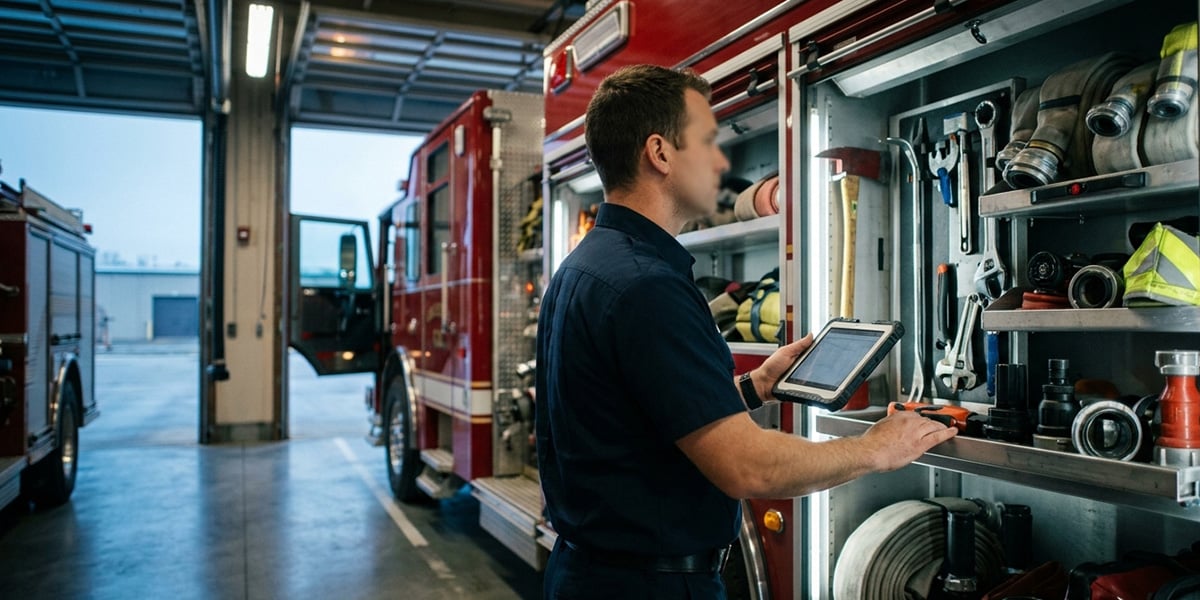
First responder readiness software affects daily inspections, equipment tracking, and oversight. A system that fits well makes those processes smoother and more consistent.

Here are five things to look at during evaluation.

1. Built-In Accountability for Fire and EMS Inspections

Inspections happen every shift. Different crews. Different supervisors. Different pace.

A readiness system should make expectations clear without requiring extra reminders.

When an inspection is completed, it should automatically record who performed it and when. If something is missed, supervisors should see it immediately. Records should stay intact once submitted so there is no confusion later.

That visibility saves time. It reduces follow-up conversations. It removes guesswork during shift changes.

When accountability is built into the workflow, supervisors spend less time chasing paperwork and more time leading crews.

Departments reviewing station-level oversight should look closely at how station checks software supports consistent completion and clear visibility across shifts.

2. Audit-Ready Documentation for First Responders

Inspection records are more than daily checklists. They are often reviewed internally and sometimes requested during audits or compliance checks.

A readiness system should automatically record who completed each task and when. Permissions should reflect rank and responsibility, so only the right people can edit or approve records. When something is flagged or corrected, that action should be clearly documented.

When documentation is structured and easy to access, reviews move faster. Supervisors can answer questions without rebuilding reports or digging through spreadsheets. Records are organized, consistent, and ready when needed.

This level of clarity becomes especially important in areas like controlled substance tracking and SCBA checks, where documentation is closely reviewed and accuracy matters.

3. Managing Readiness Across Multiple Stations

What works for one station should also work across the entire department.

As departments add stations, vehicles, or personnel, leadership still needs a clear and consistent view of inspections and equipment. Each location may operate independently day to day, but oversight should not feel fragmented.

A strong system keeps inspection standards consistent across stations while allowing appropriate access by location. Leadership should be able to see what is happening at each station and also view a department-wide summary without manually combining reports.

Without centralized visibility, administrators often spend time reconciling data between locations. That manual work increases as the department grows.

Inventory management is usually where these challenges show up first. Leaders need to see stock levels, expiration dates, and usage trends across stations in one place. Inventory checks software should make that visibility automatic, not something built outside the system.

When a platform supports growth from the start, expansion feels organized instead of complicated.

4. Managing Equipment Beyond the Checklist

Completing inspections is part of readiness. Managing equipment over time is just as important.

Departments rely on systems that show more than whether a check was completed. They need to see how equipment has been maintained, when it was last serviced, and whether it is approaching the end of its service life.

A well-designed platform keeps inspection intervals clear, records repair history, and documents exposure events. It also helps track service milestones and anticipate when replacements will be needed.

That kind of visibility supports budgeting decisions and long-term maintenance planning. It helps leadership identify patterns before equipment becomes a problem during a call.

This is especially important for PPE, vehicle inspections, and critical assets that carry higher risk and cost. When this information is centralized and easy to review, departments can address issues early instead of reacting to failures.

5. A Clear View of Department-Wide Readiness

Command staff need a straightforward way to understand overall readiness.

At any given time, leaders should be able to see what inspections are overdue, which stations are consistently on track, and where equipment may need A strong readiness platform presents this information clearly. It highlights patterns across stations, flags equipment approaching service thresholds, and makes problem areas easy to identify.

When that view is centralized, leadership can focus on decision-making instead of data gathering. It becomes easier to address issues early, allocate resources appropriately, and maintain confidence in department-wide readiness.

Operational status should be visible in one place, without extra steps.

What Departments Notice After Implementation

When readiness software fits the way a department operates, the improvements show up quickly.

Inspection follow-up becomes more consistent because gaps are visible right away. Supervisors spend less time tracking down paperwork. Audit preparation takes less effort because documentation is organized and easy to retrieve.

Administrative workload begins to shrink. Instead of reconciling spreadsheets or rebuilding reports, staff can rely on the system to keep information current. Equipment issues are identified earlier, often before they disrupt operations.

Over time, leadership gains a clearer understanding of department-wide readiness. Decisions about staffing, budgeting, and maintenance are based on reliable information rather than assumptions.

The change is practical. It affects daily routines, reduces friction, and supports long-term planning without adding complexity.

Choosing a Platform That Grows With Your Department

Readiness expectations do not stay the same. Departments add stations, update equipment, face new reporting requirements, and adjust how they operate.

The system selected today should be able to grow alongside those changes. As tracking becomes more detailed and reporting needs expand, the platform should support deeper visibility without creating new administrative work.

Over time, leadership may want clearer usage trends, stronger alerting around equipment issues, and better reporting across stations and modules. A system built for long-term operational support makes those improvements possible without replacing the platform entirely.

Choosing carefully now helps avoid disruption later and keeps the focus where it belongs, on readiness and service.

What Matters Most for Fire and EMS Leaders

First responder readiness software should make daily operations easier, not more complicated.

Crews should know what needs to be done. Supervisors should see what is complete and what needs attention. Leadership should have a clear picture of overall readiness without chasing reports.

When the system supports those needs, inspections stay consistent, equipment stays prepared, and the department operates with greater confidence.

Request a Demo of PSTrax.

Complete the form below for a brief personalized demonstration of PSTrax and how we help public safety agencies successfully and move from pen and paper to a more reliable, efficient, and affordable solution.

Privacy Preference Center

//LinkedIn Tag start// //LinkedIn tag end//