
The Most Common Station Tasks That Get Missed (and Why They Matter)
Why missed station tasks are usually a system problem
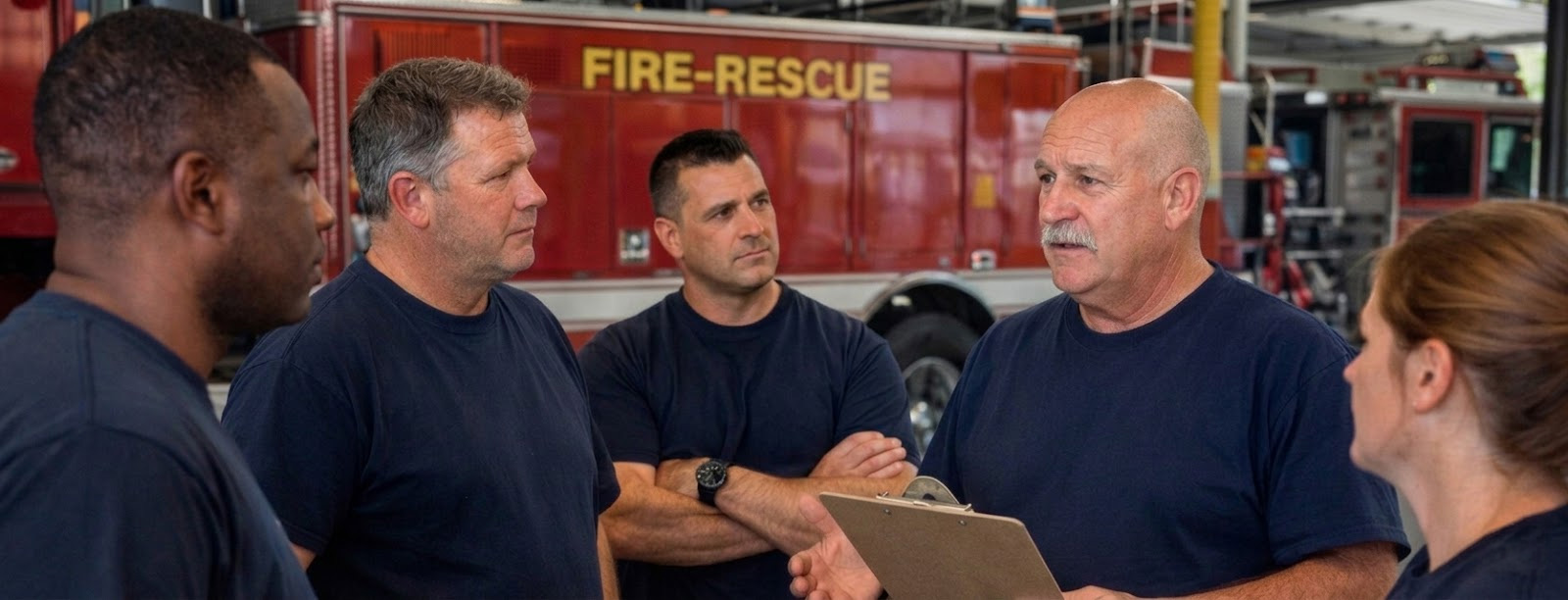
Station work rarely feels urgent until something fails. Facility checks, chores, inspections, and supply reviews happen in the background of daily operations. They’re easy to postpone when calls come in, training runs long, or staffing is tight.
Most missed station tasks are not the result of neglect. They are the result of systems that rely on memory, paper logs, or informal handoffs to manage dozens of recurring responsibilities across multiple shifts.
When station readiness depends on whiteboards, binders, or verbal reminders, gaps are inevitable. Tasks get delayed, inspections are incomplete, and accountability becomes unclear. Over time, these small misses add up to real operational risk.
What station task management often looks like in practice
Many agencies manage station responsibilities through a mix of:
-
Printed chore sheets posted on walls
-
Whiteboards listing daily or weekly tasks
-
Logbooks for facility inspections
-
Verbal reminders during shift change
-
Spreadsheets maintained by officers or administrators
These tools provide visibility in the moment, but they break down quickly. They don’t follow tasks across shifts, document completion consistently, or give leadership a clear picture of station readiness.
When a task is not completed, there is often no reliable record of why, when it was noticed, or how it was resolved.
The station tasks most often overlooked
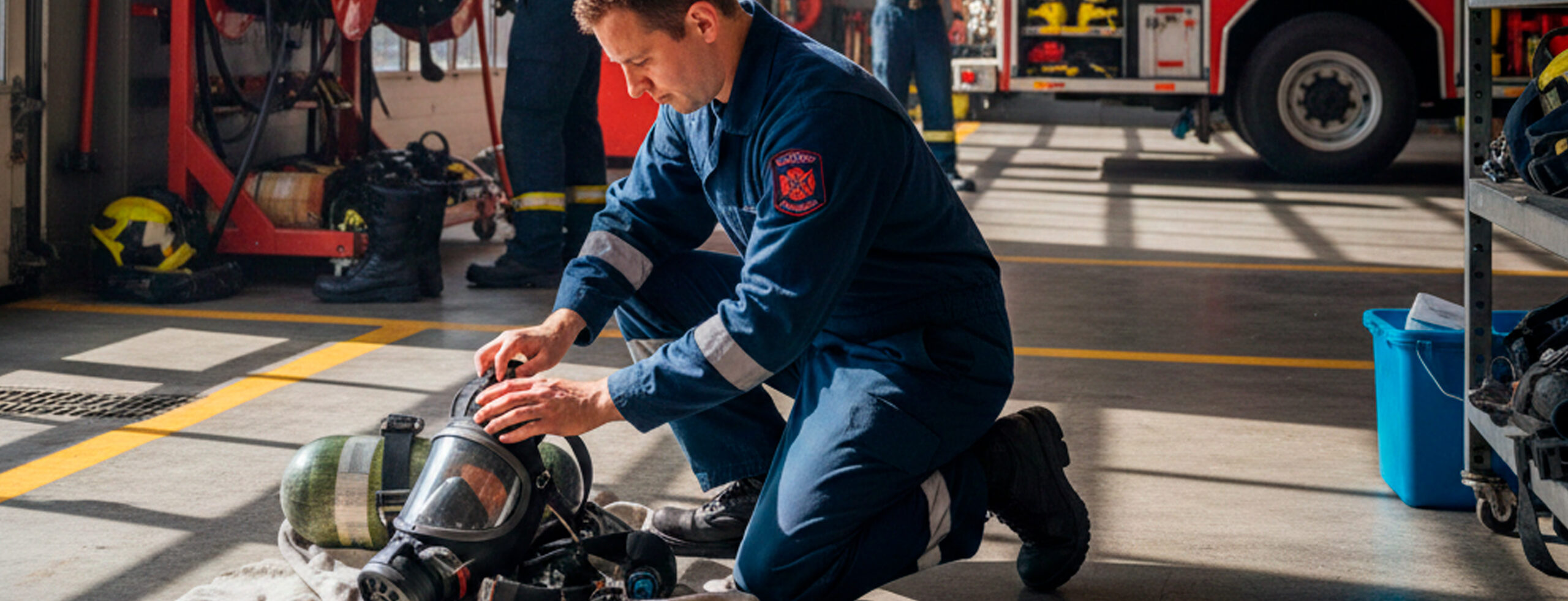
Certain types of station tasks are especially vulnerable to being missed or inconsistently documented.
Facility and infrastructure checks
Generators, bay doors, exhaust systems, HVAC units, emergency lighting, and security systems require regular inspection. When these checks are informal or logged on paper, failures may not be caught until equipment is already compromised.
Shared space and safety inspections
Kitchens, bunk rooms, storage areas, and training spaces often rely on shared responsibility. Without clear ownership and proper documentation, issues such as safety hazards, expired supplies, or maintenance needs can go unaddressed.
Supply room and station inventory checks
Station-level consumables are frequently assumed to be stocked until they are not. Missed checks can lead to shortages, expired items, or emergency restocking.
Chore rotations
Daily, weekly, and monthly chores are easy to skip during busy shifts. When rotation schedules are informal, tasks can be missed without anyone noticing.
Certification and compliance-related tasks
Calibrations, inspections, and documentation tied to safety or regulatory requirements are often time-based. Without automated reminders, deadlines can be missed unintentionally.
Follow-up on identified issues
Even when problems are identified, they’re not always tracked through resolution. A note on a clipboard doesn’t guarantee a repair was completed or verified.
Why this matters across shifts
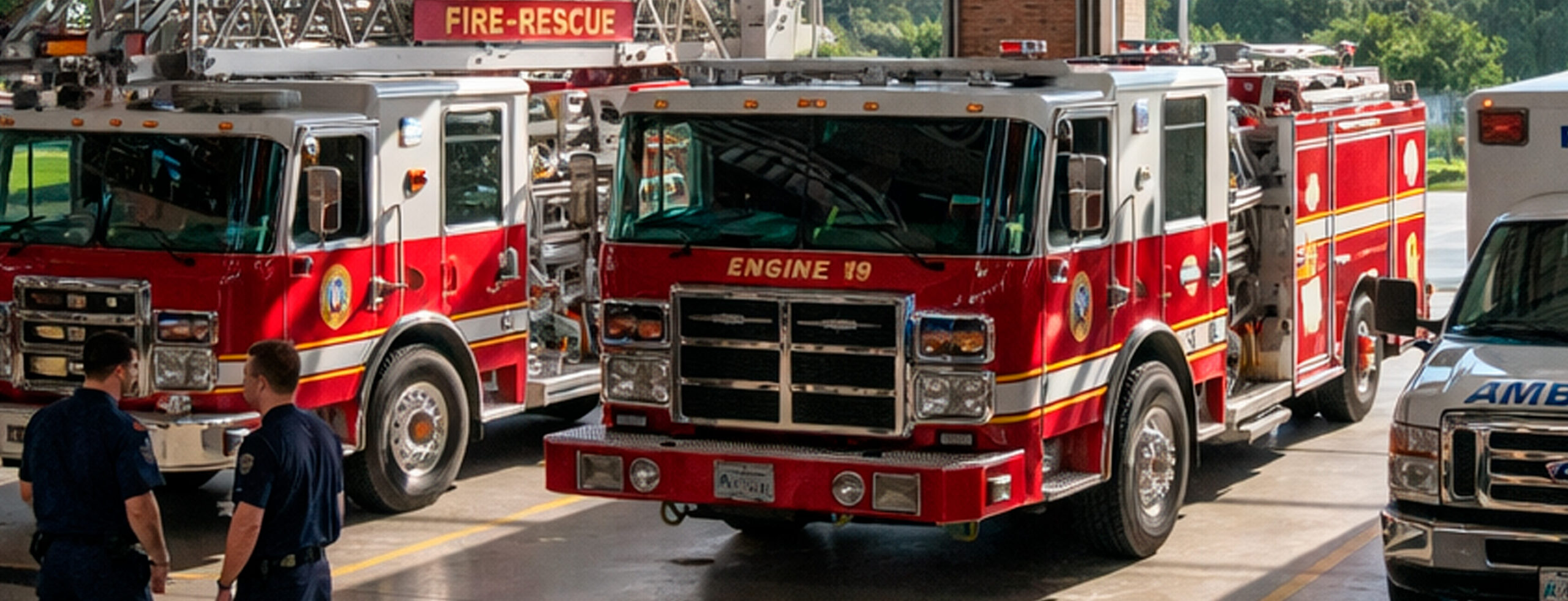
Missed station tasks have consequences that extend beyond housekeeping.
Readiness and reliability
Stations are operational hubs. When infrastructure, supplies, or systems aren’t maintained consistently, readiness across the entire response chain is affected.
Safety and compliance
Facilities play a direct role in crew safety. Missed inspections can expose agencies to compliance risk and increase the likelihood of preventable incidents.
Efficiency and morale
Unclear responsibilities and repeated rechecks create frustration. Crews waste time tracking down information that should be readily available.
Leadership visibility
Without consistent documentation, supervisors lack clear visibility into station conditions across shifts and locations. Issues are often discovered reactively instead of proactively.
What a reliable station task program requires
Improving station task completion isn’t about adding more rules. It’s about creating clarity and consistency.
A strong station management approach should:
Automate task scheduling
Daily, weekly, and monthly tasks should appear automatically, removing the need to remember what is due.
Assign clear ownership
Every task should have a responsible party, even when work is shared across crews.
Document completion consistently
Completion should be logged the same way every time, with timestamps and accountability built in.
Flag missed or overdue tasks
Supervisors should be alerted when tasks are overdue or incomplete so issues can be addressed promptly.
Track issues through resolution
When a task identifies a problem, the system should track that issue until it’s resolved and verified.
Provide real-time visibility
Leadership should be able to see station readiness across all locations without collecting paperwork.
Signs your station task system is breaking down
Many agencies normalize station task gaps without realizing the risk they create.
Common indicators include:
-
Tasks being rechecked because records are unclear
-
Issues discovered days after they should have been flagged
-
Missed inspections identified during audits
-
Inconsistent completion across shifts
-
Unclear accountability for follow-up
-
Paper logs that are incomplete or missing
These are signals that the system is no longer supporting readiness.
What to look for in a better approach
When evaluating how to improve station task management, agencies should focus on operational fit.
A reliable solution should be:
-
Simple enough for crews to use every shift
-
Automated to reduce missed tasks
-
Centralized so all stations share the same data
-
Transparent so leadership can see progress in real time
-
Flexible enough to match station workflows
-
Scalable as facilities and responsibilities grow
Why agencies move to PSTrax
Agencies often adopt PSTrax when station task tracking becomes fragmented and unreliable.
PSTrax helps agencies:
-
Centralize inspections, chores, and facility checks
-
Automate scheduling and reminders across shifts
-
Document completion with time-stamped records
-
Track issues through resolution
-
Maintain visibility across all stations and facilities
By replacing informal processes with a structured system, agencies improve consistency, accountability, and readiness.
Conclusion: Station readiness depends on consistency
Stations are the foundation of every response. When routine tasks are missed or poorly documented, risk increases quietly over time.
A modern station management approach removes guesswork, clarifies responsibility, and makes sure nothing critical slips through the cracks. With the right system in place, station operations become a strength instead of a vulnerability.
Request a Demo of PSTrax.
Complete the form below for a brief personalized demonstration of PSTrax and how we help public safety agencies successfully and move from pen and paper to a more reliable, efficient, and affordable solution.