The Hidden Risks of Manual First Responder Checklists


Why manual checklists create risk that is easy to miss
Paper checklists and logbooks feel familiar. They live in the cab, on a clipboard, or on a counter in the station. Crews know where to find them and how to complete them quickly. The problem is not effort. It is that manual systems are fragile in exactly the conditions first responders work in.
Shift changes are fast. Calls interrupt routines. Equipment is shared across rigs, stations, and personnel. Documentation happens in the margins of the day, often after the fact. In that environment, a paper-based checklist can still get filled out while key details are missed, delayed, or lost entirely.
This is the gap that first responder checklist and inventory management software is designed to close, bringing structure and visibility to tasks that are otherwise handled informally.
When the process relies on memory, handwriting, and manual follow-up, small gaps accumulate across station operations. Over time, those gaps become operational blind spots that impact readiness, safety, compliance, and trust.
What manual checklists really are
A manual checklist system usually includes a mix of:
-
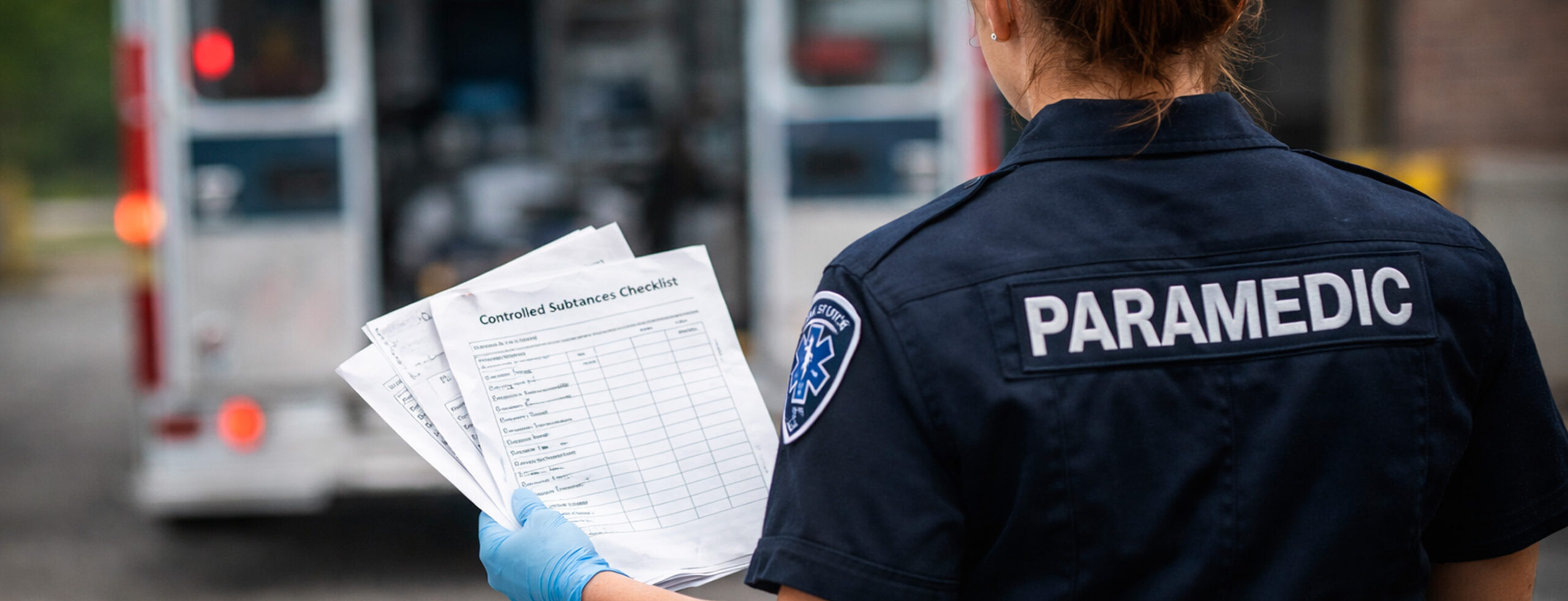
Daily apparatus checks logged in a binder or clipboard
-
Station tasks tracked on whiteboards or printed sheets
-
Inventory counts recorded on paper or spreadsheets
-
Maintenance notes written in margins or communicated verbally
-
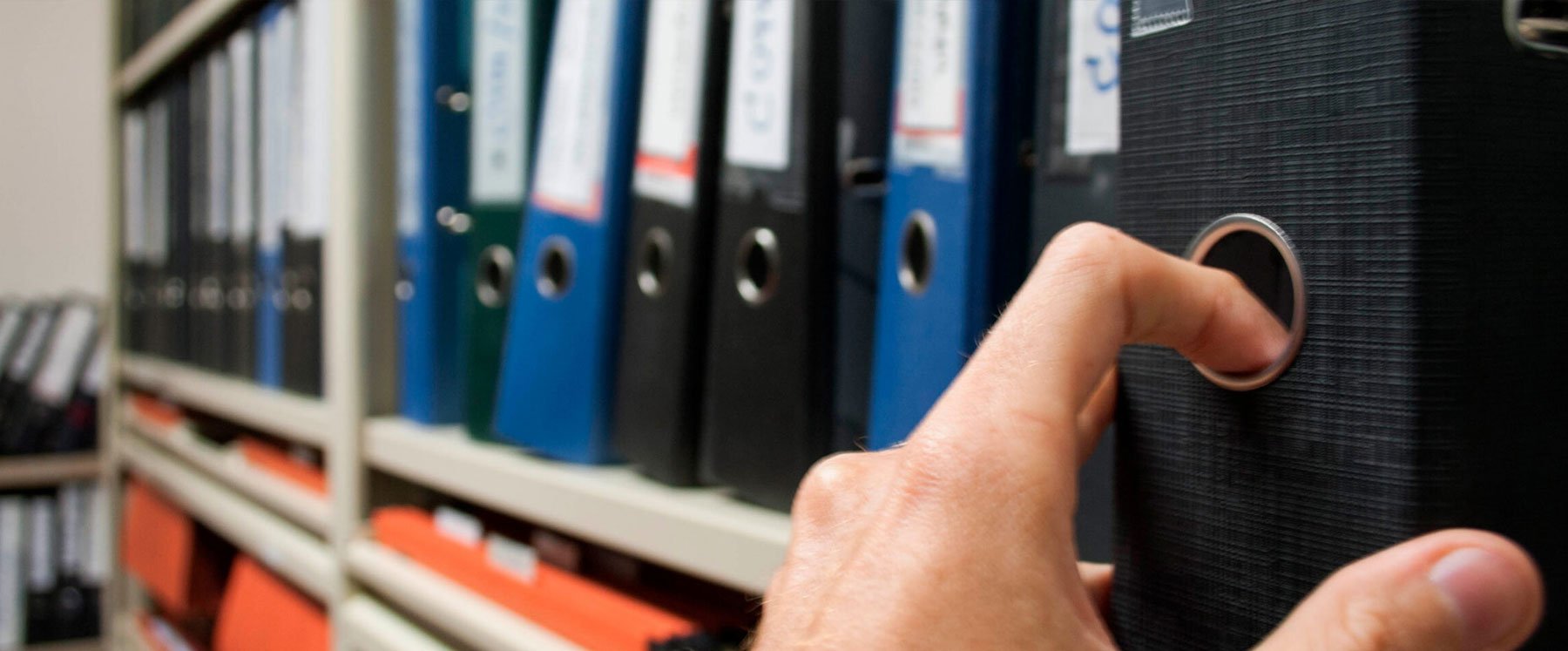
Logs stored in file cabinets or scattered folders
In practice, this creates a documentation trail that is hard to standardize and even harder to verify. Two crews can complete the same checklist in different ways. A supervisor can see a signature but not the quality of the inspection. A chief can request records but still struggle to produce complete, consistent documentation quickly.
Manual systems can work when the environment is calm and the scope is small. Most departments do not operate in that reality.
The most common failure points in manual checklist systems
The risks of paper checklists are rarely dramatic in the moment. They show up as repeated patterns that feel normal until something goes wrong.
Incomplete checks that still look complete
A signature or initials do not confirm that a check was performed thoroughly. It only confirms that paperwork was completed. When crews are busy, the checklist can become a formality instead of a control point.
Missed tasks during shift transitions
Many readiness tasks depend on clean handoffs. When information lives on paper or gets communicated verbally, details drop. A rig can look “checked” with no clarity on what changed, what failed, or what was deferred.
No consistent way to flag issues or track resolution
On paper, a note might be written and someone might be told. But there is often no closed-loop process to confirm the issue was assigned, addressed, documented, and cleared before returning equipment to service.
Logs that get lost, damaged, or buried
Binders disappear. Pages tear out. Ink fades. Spreadsheets live on personal drives. Even when records exist, they may not be accessible when needed.
Backfilled documentation
A common reality in busy operations is documenting after the shift. This introduces uncertainty around accuracy and timing. It also weakens credibility during audits, incident reviews, or compliance checks.
No real-time visibility for leadership
Manual systems are local. They live in one place. Leadership often cannot see readiness status across stations without physically collecting paperwork or asking for updates. This delays decisions and makes it harder to identify patterns before they become problems.


Why this matters for operational readiness
Manual checklist gaps are not just administrative. They affect outcomes that agencies are held accountable for.
Readiness and reliability
Readiness depends on consistency. When checks are incomplete, overdue, or inconsistently documented, the risk is not theoretical. It shows up as missing equipment, failed components, and avoidable downtime.
Safety and responder confidence
Crews should never have to question whether a piece of equipment is ready, inspected, or properly maintained. Manual tracking makes it harder to verify that confidence with certainty.
Compliance and audit exposure
Standards and oversight continue to tighten. Whether the issue involves controlled substances, SCBA testing, PPE lifecycle documentation, or apparatus records, agencies need accurate documentation they can produce quickly. Paper logs make that difficult, even when teams are trying to do the right thing.
Operational efficiency
Paper systems create hidden workload. Time gets spent tracking down binders, confirming what was done, rechecking what is unclear, and recreating documentation that should have been reliable the first time.
Public trust and accountability
Communities expect their agencies to be prepared and professional. When documentation is incomplete or inconsistent, it becomes harder to demonstrate accountability after an incident, an audit, or a public records request.
What a strong readiness checklist program needs to include
Fixing the problem is not about taking paper away. It is about building a system that supports the realities of emergency operations.
A strong readiness checklist program should:
Standardize how checks are performed
Checks need to be consistent across crews, stations, and shifts. That means the same task is completed the same way, with the same required fields and expectations.
Schedule tasks automatically
Readiness is repetitive. A program should remove the need to remember what is due. Daily, weekly, monthly, and annual checks should appear on schedule and roll forward cleanly.
Create closed-loop issue resolution
If something fails, the process should not end with a note. It should trigger a documented workflow that routes the issue to the right person and tracks resolution before equipment returns to service.
Keep records secure and searchable
Records should be accessible when needed and protected from edits, loss, and fragmentation. Leadership should be able to find a history by vehicle, station, asset, user, or date without digging through paper.
Support real-time visibility
Supervisors should be able to see what is complete, what is overdue, what has failed, and what is out of service. That visibility should not require manual reporting.
Connect related areas of readiness
Vehicle checks, station checks, supplies, assets, SCBA, PPE, controlled substances, and blood products all intersect operationally. A strong program prevents teams from managing these areas in disconnected silos.


Signs your department is outgrowing paper checklists
Many agencies do not decide to modernize because paper is inconvenient. They decide because the operational cost becomes too high.
Common signs include:
-
Repeated “we thought it was checked” moments
-
Frequent rechecks because documentation is unclear
-
Missed expirations or shortages discovered too late
-
Difficulty producing complete records during audits
-
Inconsistent check quality across shifts
-
Equipment downtime tied to preventable issues
-
Increasing administrative workload tied to tracking and reporting
When these patterns show up, the checklist system is no longer supporting readiness. It is undermining it.
What to look for in a better approach
Whether an agency is evaluating a digital platform now or planning for one later, the evaluation criteria should remain grounded in operations.
A strong solution should be:
-
Simple for crews to complete quickly on any device
-
Automated so schedules and alerts reduce missed tasks
-
Structured so documentation is consistent and complete
-
Audit-ready with secure, time-stamped records
-
Searchable with fast access to histories and reports
-
Configurable to match the way your agency actually works
-
Supported by experts who understand first responder workflows
Why agencies move to PSTrax
Many agencies choose PSTrax when they want to eliminate the blind spots that manual checklists create and replace them with consistent, verified readiness tracking.
PSTrax helps agencies:
-
Standardize inspections across shifts and locations
-
Reduce missed checks through automated scheduling and alerts
-
Improve accountability with time-stamped digital records
-
Maintain readiness across vehicles, stations, supplies, assets, SCBA, PPE, controlled substances, and blood products
-
Produce reliable documentation quickly for audits, reviews, and oversight
The result is not just a digital version of a clipboard. It is a more reliable readiness program that is easier to manage, easier to verify, and harder to break.
Conclusion: Readiness cannot depend on fragile systems
Paper checklists can feel manageable until the day they fail you. In modern first responder operations, readiness requires more than completion. It requires consistency, visibility, and documentation you can trust.
If your agency is ready to reduce risk, improve accountability, and strengthen readiness across every shift, it may be time to move beyond manual checklists.
Request a Demo of PSTrax.
Complete the form below for a brief personalized demonstration of PSTrax and how we help public safety agencies successfully and move from pen and paper to a more reliable, efficient, and affordable solution.