
 Protective Equipment Tracking


1 min read
Why Human Support Still Matters in Public Safety Software
Series 1 of 3: People, Technology, and the Responsibility Behind Readiness Technology is changing how public safety agencies work, from artificial...



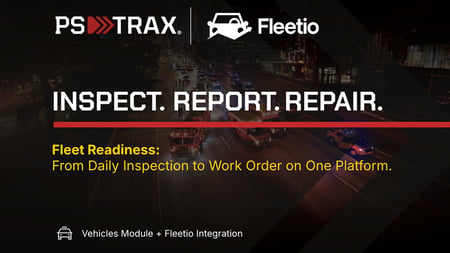
This on-demand webinar, hosted by PSTrax and integration partner Fleetio, shows how Fire, EMS, and Law Enforcement agencies can manage fleet readiness from inspection through repair.
Watch Webinar
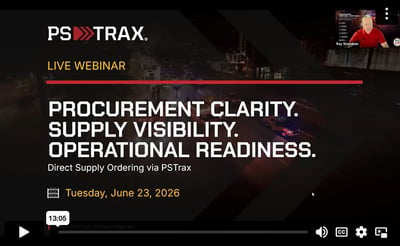
This brief On-Demand PSTrax webinar shows practical ways to gain better visibility into your supplies, simplify purchasing, and cut down on manual work.
Watch Webinar
7 min read
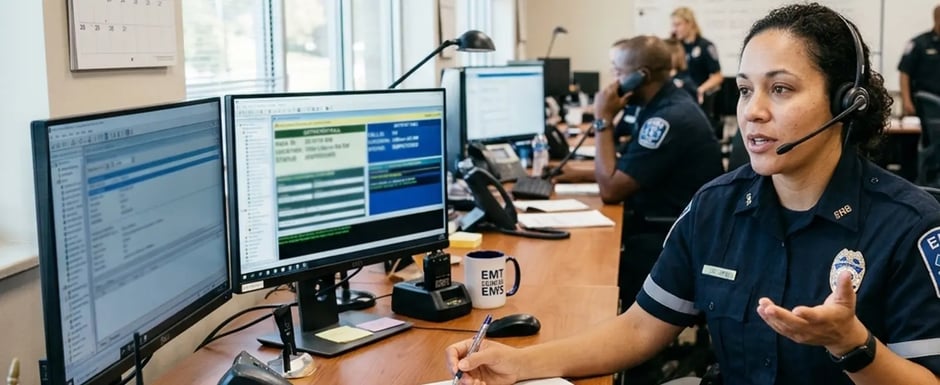
Series 1 of 3: People, Technology, and the Responsibility Behind Readiness
Technology is changing how public safety agencies work, from artificial intelligence and automation to the software that manages daily operations. But as technology advances, human understanding, experience, and accountability remain essential.
This is the first article of three in a series exploring people, technology, and the responsibility behind readiness. We'll look at why human support matters, what first responders should understand about AI, and how agencies can approach new technology responsibly.
As AI and automation change the way companies serve their customers, human support remains essential. For public safety agencies, knowledgeable people who understand the technology, listen to their needs, and take ownership of problems make a meaningful difference.
Customer support is changing. Across industries, companies are using artificial intelligence (AI), chatbots, automated phone systems, and self-service tools to answer questions and handle routine requests. These technologies can make information easier to access and help customers resolve straightforward issues without waiting for a representative.
But what happens when a question doesn't have a simple answer? What if a customer is dealing with an unexpected technical issue, an unfamiliar workflow, or a problem that requires someone to understand how their organization operates?
An automated response may provide information, but it can't always provide the context, judgment, or personal attention needed to resolve a complex problem.
For fire and EMS agencies, law enforcement organizations, and other public safety professionals, that distinction matters. The technology they use supports daily operations, equipment accountability, inspections, documentation, and other important responsibilities. When they need assistance, they need more than a response. They need someone who understands the problem and is willing to help work through it.
As technology becomes more automated, the value of knowledgeable, accessible human support shouldn't be overlooked.
AI is changing how companies interact with customers. Automated chat systems can answer frequently asked questions, guide users through basic troubleshooting, retrieve information from support documentation, and direct requests to the appropriate department.
For customers with routine questions, these tools can be useful. They can provide quick access to information and help support teams spend less time on repetitive requests.
However, automation has limitations.
AI-generated responses depend on the information and context available to the system. If a customer describes an unusual problem, leaves out an important detail, or needs help with a situation that doesn't match an established process, an automated system may struggle to provide an appropriate answer.
It may also give an answer that sounds correct but doesn't fully address the issue.
This is particularly important when a customer needs help with a business-critical system or a workflow specific to their organization. A generic response may not account for how the agency operates, the equipment it manages, or the procedures its personnel follow.
Automation can help answer questions. But resolving a problem often requires someone to understand why it's happening in the first place.
Not every customer support request is the same.
A password reset or a question about where to find a feature may be easy to resolve through self-service documentation. But a problem involving an unfamiliar workflow, missing information, or an unexpected system behavior may require investigation.
Consider a few examples:
In these situations, the customer needs more than a scripted response or a link to an article.
They need someone who can listen, ask questions, recognize what may be happening, and help determine the next steps.
Public safety agencies don't all operate the same way. Agencies have different staffing structures, equipment, policies, reporting requirements, and operational workflows.
A technology provider's support team needs to understand that context.
Here are five ways knowledgeable human support makes a difference.
A support representative who understands the public safety environment can better recognize the context behind a customer's question.
For example, a question about an inspection may involve more than where to find a setting. The representative may need to understand who completes the inspection, how information is recorded, what happens when a deficiency is found, and who is responsible for follow-up.
Those details help determine whether the customer needs a simple explanation, workflow guidance, or additional technical assistance.
Understanding the customer is an important part of understanding the problem.
Automated support works best when questions have predictable answers. But real-world problems don't always follow a standard path.
A human support specialist can ask follow-up questions, consider different possibilities, and adjust the approach as new information becomes available.
They can also recognize when an issue needs additional expertise and work with internal technical, product, or implementation teams to move it toward resolution.
That ability to investigate and adapt is especially valuable when the issue involves multiple systems, unique agency workflows, or circumstances not covered in standard documentation.
Receiving a response doesn't necessarily mean a problem has been resolved.
Customers need to know what is happening, what steps are being taken, and who is responsible for helping them move forward.
A human support relationship creates an opportunity for ownership and follow-through. A support representative can communicate progress, explain what needs to happen next, and help coordinate the people involved in resolving an issue.
When a problem requires additional attention, customers shouldn't have to start over with a different automated system or repeatedly explain the situation.
Accountability means treating the customer's issue as something that deserves attention until the appropriate next steps have been taken.
Good customer support extends beyond troubleshooting.
For many public safety agencies, getting value from a technology investment requires onboarding, training, and continued guidance. Personnel need to understand how to use the system, how it fits into their responsibilities, and how to apply it to their agency's processes.
A knowledgeable person can adjust the explanation to the user's experience level, demonstrate a process, answer follow-up questions, and identify areas where additional training may help.
This is especially important during implementation and when agencies introduce new workflows or expand their use of a system.
The goal isn't simply to get a customer through an initial setup. It's to help personnel understand and use the technology effectively over time.
A good support experience can shape how customers view their entire relationship with a technology provider.
When customers know they can reach someone who understands their needs, they have a resource they can turn to as questions arise and their requirements change.
That relationship also helps the provider learn more about the customer's experience. Support professionals hear where users struggle, which processes create confusion, and where additional guidance or product improvements may be useful.
Those conversations can help inform better training, documentation, and product development.
Customer support, in that sense, isn't separate from the customer relationship. It's one way a technology partner demonstrates its commitment to the people using its products.
The discussion shouldn't be about choosing between AI and people. Both have a role in modern customer support.
AI can help support teams locate relevant information, summarize customer requests, organize documentation, and handle repetitive questions. Automation can also help route requests and make basic information available outside normal business hours.
These capabilities can be valuable when they are used appropriately.
But efficiency shouldn't come at the expense of access to knowledgeable people.
A well-designed support model uses technology to assist the customer and the support team, while preserving a clear path to human help when a situation requires more attention.
That means knowing when an automated response is sufficient and when a person needs to step in.
For public safety technology, that distinction is important. A customer may need a quick answer about a feature one day and detailed help with an agency-specific workflow the next. The support experience should account for both.
Technology should make it easier to get help, not harder to reach someone who can provide it.
When evaluating software, agencies often focus on functionality, ease of use, cost, and how well a system meets their operational needs.
Those are important considerations. But the relationship shouldn't end with the software purchase.
The quality and availability of customer support should also factor into the decision.
Before selecting a technology provider, agencies should consider asking:
The answers can reveal a great deal about how a provider views its relationship with customers.
Software is an important part of the investment. The people who help an agency implement, understand, and use that software are part of it, too.
For public safety agencies, technology needs to work within the realities of daily operations. That requires more than providing software and making documentation available.
It requires understanding the people who use the system, the processes they follow, and the challenges they encounter along the way.
At PSTrax, customer care is an important part of helping agencies get value from their technology. That includes helping customers understand the system, work through questions, and get the guidance they need as their operational requirements evolve.
We believe a strong customer relationship is built through communication, experience, and follow-through. Technology can help make that relationship more effective, but it shouldn't replace the people behind it.
Because when a customer needs help, they deserve more than an automated response. They deserve to know someone is listening and willing to help.
AI and automation will continue to change customer support. They offer useful ways to make information more accessible and handle routine requests.
But customer care is about more than speed or the number of requests a company can process. It's about understanding the customer, resolving problems, providing guidance, and taking responsibility for the experience.
For first responders who depend on technology to support their daily responsibilities, having access to knowledgeable people matters.
The best technology partners recognize that the relationship doesn't end when the software is implemented. It continues through the questions, challenges, training, and support that help agencies use the technology effectively.
When evaluating technology for your agency, look beyond the software. Consider the people, experience, and support that come with it.
Learn how PSTrax helps public safety agencies manage operational readiness with software and customer support designed around the needs of first responders.
Complete the form below for a brief personalized demonstration of PSTrax and how we help public safety agencies successfully and move from pen and paper to a more reliable, efficient, and affordable solution.
1 min read
Series 1 of 3: People, Technology, and the Responsibility Behind Readiness Technology is changing how public safety agencies work, from artificial...
1 min read
Partnership begins with an initiative connecting ePCR documentation and controlledsubstance tracking.
1 min read
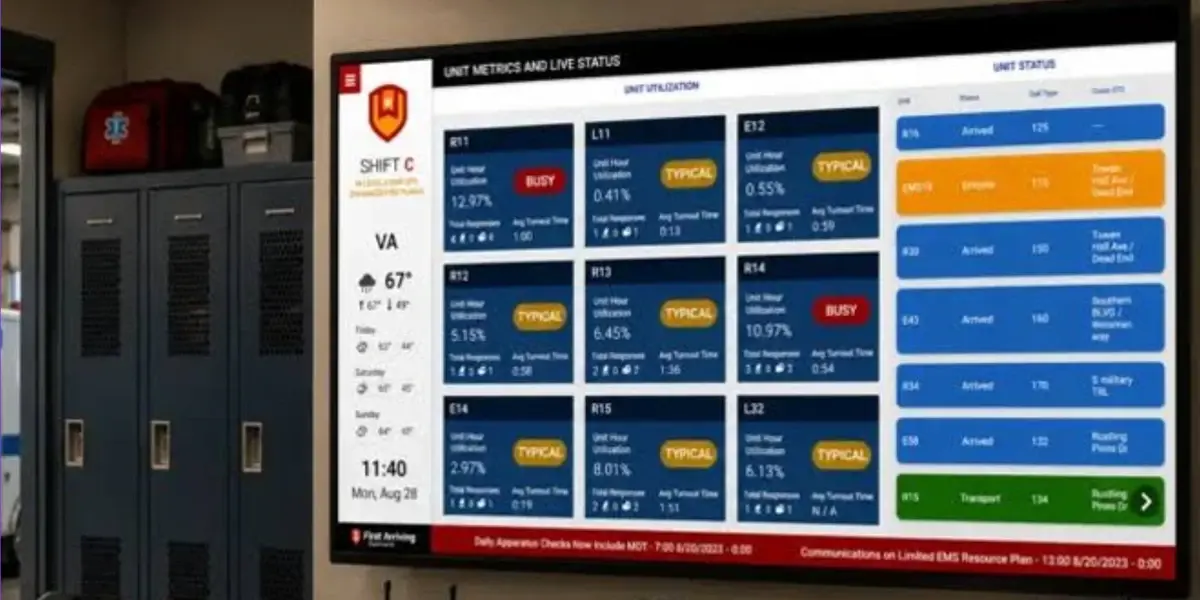
Access the on-demand recording of our 30-minute session with integration partner First Arriving to see the walkthrough in action. Inspection results,...