1 min read
Why Paper-Based Blood Products Tracking Puts Patients at Risk
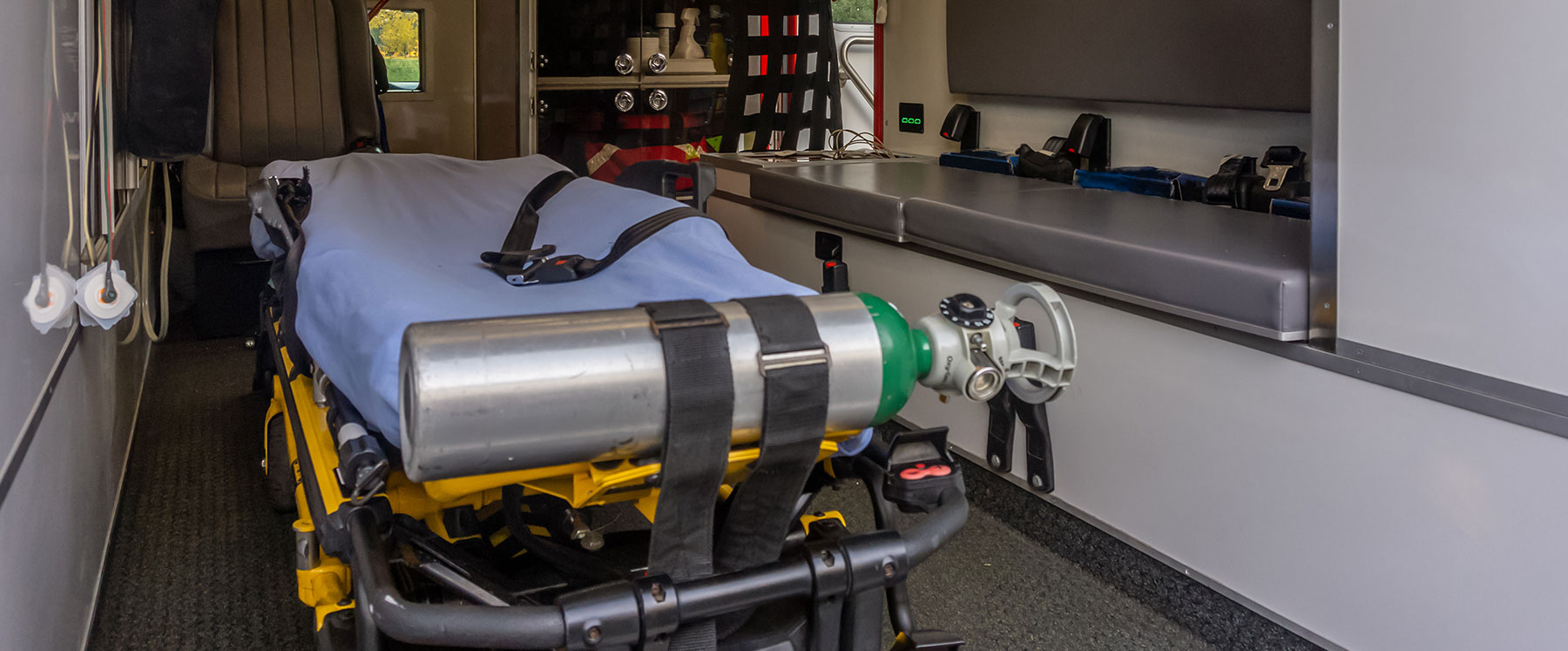
Why blood product tracking leaves no room for error For Advanced Life Support (ALS) Fire and EMS agencies authorized to carry and administer blood...


This on-demand webinar, hosted by PSTrax and integration partner Fleetio, shows how Fire, EMS, and Law Enforcement agencies can manage fleet readiness from inspection through repair.
Watch Webinar
This brief On-Demand PSTrax webinar shows practical ways to gain better visibility into your supplies, simplify purchasing, and cut down on manual work.
Watch Webinar
3 min read
Equipment rarely disappears overnight. It drifts out of sight. A tool is borrowed and not logged. A monitor gets moved to another vehicle during a busy shift. A piece of equipment is taken out of service and set aside without clear documentation.
At the moment, nothing seems wrong. Operations continue. Calls are answered. The gap only becomes visible later, when equipment cannot be found, maintenance records are incomplete, or replacement requests raise uncomfortable questions.
Most agencies do not realize how much value they are losing because equipment loss is usually gradual, distributed, and poorly documented.
Many departments rely on a patchwork of methods to manage assets:
Spreadsheets listing serial numbers or purchase dates
Paper logs for assignments and inspections
Informal tracking by officers or logistics staff
Verbal updates when equipment is moved or shared
Separate records for maintenance, repair, or replacement
These methods capture a snapshot, but they can’t keep up with real-world movement. Equipment moves between shifts, vehicles, stations, and sometimes agencies. When updates are delayed or skipped, records fall out of sync with reality.
Over time, visibility erodes.
The same failure patterns appear across agencies of all sizes.
During busy shifts, equipment gets reassigned quickly to meet immediate needs. If the movement is not logged at the moment it happens, the record becomes unreliable.
When it is not clear who is responsible for a piece of equipment, accountability weakens. Items are assumed to be “somewhere,” until someone needs them on a call.
Inspection records, repair notes, and vendor documentation often live in different places. Without a connected history, it is difficult to assess condition or compliance.
Equipment pulled for repair or evaluation can sit in storage without clear status. It may be forgotten, duplicated, or replaced unnecessarily.
Annual or quarterly audits catch discrepancies months after they happen. By then, reconstructing what happened is difficult or impossible.
Without accurate lifecycle data, agencies may replace equipment too early or keep using gear that should be retired.
Untracked equipment creates more than financial loss.
Lost or duplicated equipment drains real budget dollars. Small losses add up quickly across vehicles, stations, and years.
Missing equipment means crews arrive without critical tools they expected to have.
Many assets require routine inspection, calibration, or documentation. Missing records increase compliance risk and liability.
Staff spend time searching for equipment, reconciling records, or justifying replacement requests instead of focusing on readiness.
When records are unreliable, confidence in asset management declines across crews and leadership.
Preventing equipment loss is not about stricter rules. It is about better visibility.
A strong asset management approach should:
Every item should have a complete lifecycle record that includes purchase, assignment, inspections, repairs, and disposition.
Transfers between vehicles, stations, or personnel should be logged as they happen, not after.
Assignments should clearly show who is accountable for each asset at any moment.
Condition, service history, and inspection results should live in one place.
Leadership should be able to see which assets are in service, out of service, missing, or due for action.
Records should be easy to retrieve without reconstructing events.
Many agencies do not recognize asset loss until it becomes expensive.
Common indicators include:
Difficulty locating equipment quickly
Duplicate purchases of existing items
Unclear maintenance or inspection history
Frequent “we used to have one” conversations
Inventory counts that never match records
Budget requests driven by uncertainty
These signals suggest the system is no longer providing control.
When evaluating asset tracking solutions, agencies should prioritize clarity and durability.
A reliable solution should be:
Centralized so all assets live in one system
Easy for crews to update in the field
Structured to enforce accountability
Integrated with inspection and maintenance workflows
Transparent for leadership oversight
Scalable as inventories grow
Agencies often adopt PSTrax when manual asset tracking becomes costly and unreliable.
PSTrax helps agencies:
Maintain complete asset lifecycle records
Track equipment assignments and movement
Document inspections, repairs, and status changes
Reduce loss, duplication, and unnecessary replacement
Provide clear visibility into equipment readiness
By replacing fragmented records with a unified system, agencies regain control over high-value equipment and protect their operational investment.
Most agencies do not lose equipment because they are careless. They lose it because systems fail to keep pace with operations.
A modern asset management approach provides visibility, accountability, and confidence. When agencies move beyond manual tracking, they reduce hidden costs, improve readiness, and ensure that critical equipment is available when it is needed most.
Complete the form below for a brief personalized demonstration of PSTrax and how we help public safety agencies successfully and move from pen and paper to a more reliable, efficient, and affordable solution.
1 min read
Why blood product tracking leaves no room for error For Advanced Life Support (ALS) Fire and EMS agencies authorized to carry and administer blood...
1 min read
Why PPE problems rarely show up all at once Protective equipment failures almost never start with a dramatic incident. They start quietly. A cleaning...
1 min read
Firefighter safety starts long before crews arrive on scene. It starts with the equipment they trust to protect them.